Newsletter Subscribe
Enter your email address below and subscribe to our newsletter

 ByJohn A
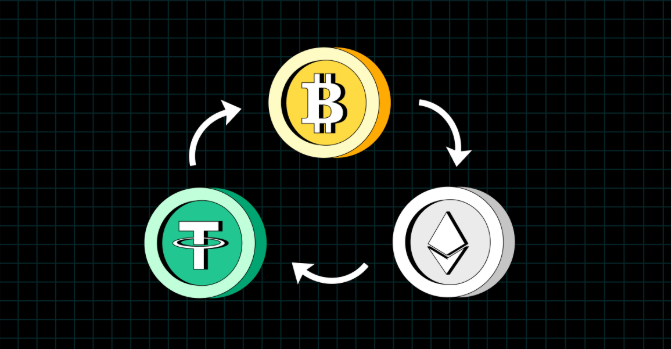
Cryptocurrency arbitrage exploits price differences across markets to capture risk-adjusted gains. Price discovery, liquidity depth, and order flow shape opportunities. Trades hinge on timing, fees, and latency, with fast routing and stable connectivity reducing slippage. Risk controls—limits, diversified funding, and real-time monitoring—keep exposure in check. Automated processes and contingency plans support smooth funding and cross-exchange supervision, especially during volatility. The mechanics point to a disciplined approach, yet practical challenges remain to be understood.
Arbitrage in crypto refers to the practice of exploiting price differences for the same asset across different markets or platforms. It describes a disciplined mechanism that captures minor mispricings rather than chasing hype.
The approach highlights volatility implications, hedging across timing gaps and liquidity constraints. Cross exchange spreads illustrate the frictions arbitraged away, enabling risk-adjusted opportunities within orderly market frames.
See also: conversationswithtea
Price formation and liquidity conditions shape the opportunities in crypto arbitrage by determining how quickly and at what cost prices converge across venues. This topic examines how arbitrage latency emerges from cross-exchange price signals and order book dynamics. Higher liquidity depth reduces slippage, while fragmented markets create transient windows. Understanding these forces clarifies risk, timing, and potential profit without overstatement.
Executing trades in crypto arbitrage hinges on the practical mechanics of matching orders, managing fees, and mitigating latency. The process hinges on precise timing and fee sensitivity, as traders exploit price differentials efficiently. Cross exchange latency shapes execution gaps, while volatility spillovers can amplify short-term mispricings. Robust connectivity and disciplined order routing reduce slippage and improve predictable, repeatable arbitrage performance.
What are the core controls that govern risk, funding, and withdrawals in arbitrage strategies, and how are they implemented to preserve capital and liquidity?
The framework emphasizes risk management, tight exposure limits, and diversified funding liquidity sources. Withdrawals latency is minimized via automated processes, while execution risk is mitigated with preapproved scripts, contingency plans, and real-time monitoring of cross-exchange price gaps.
Yes, it can be profitable; stablecoins arbitrage exploits small price gaps, though efficiency and fees limit opportunities. Cross platform pricing divergence matters, but execution speed and liquidity determine viability for sustained profits in a freedom-minded approach.
How do regulatory changes impact cross-exchange arbitrage? Regulatory shifts alter arbitrage dynamics by increasing compliance burdens and friction, creating cross exchange implications, and potentially narrowing opportunities. The analysis emphasizes freedom-focused clarity, with cautious but informed market adaptability.
Tax implications of crypto arbitrage profits involve cryptocurrency taxation considerations, where gains are typically treated as capital or ordinary income depending on activity and jurisdiction; rigorous tax reporting is essential to ensure compliance and accurate ledger balancing for freedom-minded traders.
Like a vigilant lighthouse, the tools below reliably alert price discrepancies in real time. They rely on price feeds and minimize alert latency, offering concise, analytical signals for auditors of freedom-seeking traders.
Outages disrupt liquidity and lead to slippage, raising outage risk for ongoing positions. They distort execution timing, forcing recalibration of risk estimates and exit strategies to preserve capital and minimize losses during unsettled market conditions.
Arbitrage in crypto is a disciplined hunt for transient price gaps across markets, where speed and cost discipline determine outcome. Price discovery and liquidity create the openings; execution timing and fee structures decide whether a gap is profitable. Effective risk controls and funding protocols prevent small mispricings from spiraling into losses. In this landscape, opportunities resemble a fast-moving river—watch the current, minimize drag, and ride the flow with precise, measured trades.